Stop Paying for Emergency Repairs
An annual maintenance plan catches small pavement problems before they turn into five-figure repairs.
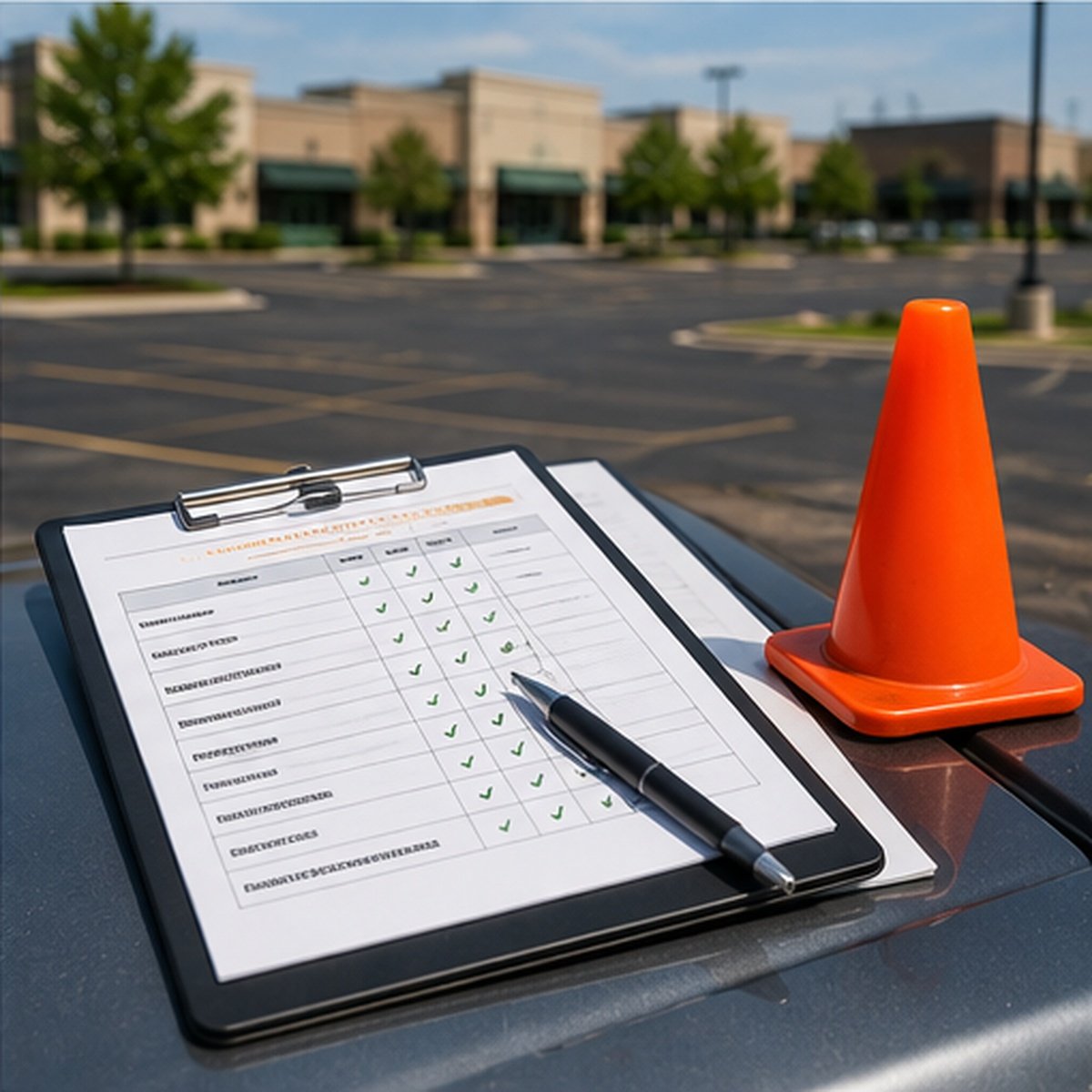
Most commercial properties only call a pavement contractor after something’s already broken — a pothole, a flooded entrance, a crack that’s spread across two parking rows. By then, the repair costs far more than it would have if someone had caught it six months earlier. A preventive maintenance plan flips that: scheduled inspections and small repairs, on a calendar, before problems grow.
Our plans start with a full property inspection, documenting every crack, drainage issue, and worn area, then set a repair and revisit schedule based on what we find and your property’s traffic and budget. Plans are built per property, not sold as a one-size package — a single retail lot needs a different rhythm than a five-building apartment complex, and we price and schedule accordingly.
Kansas weather is hard on pavement. Freeze-thaw cycles through winter push moisture into every hairline crack, and by spring that crack is a pothole. A preventive maintenance plan means someone is walking your property on a schedule, catching the hairline crack before winter does the damage — instead of you finding out about a pavement failure when a tenant calls to complain, or worse, files a claim. For property managers juggling more urgent day-to-day issues, a maintenance plan means pavement stops being something you have to remember to think about.
A documented walkthrough covering cracking, drainage, striping wear, and any hazard areas, with photos for your property file.
Crack sealing, small patching, and drainage cleanouts scheduled proactively rather than reactively, based on what the inspection finds.
Inspections and repairs timed around Kansas weather — pre-winter crack sealing, spring pothole checks, storm-season drainage clearing.
A simple record of what was inspected, what was repaired, and what to watch, useful for budgeting and for ownership or board reporting.
| Pricing factor | How it affects your estimate |
|---|---|
| Lot size & scope | Larger lots and multi-visit contracts change per-unit pricing. |
| Condition at signup | More extensive existing damage means more work on the first visit. |
| Access & scheduling | After-hours or restricted-access work may affect scheduling and cost. |
Preventive maintenance plans are priced as an annual or multi-year contract based on lot size, condition at signup, and how many inspection/service visits you want per year. Most plans cost meaningfully less over a few years than paying for reactive repairs one at a time, since small fixes are cheaper than the failures they prevent. We’ll walk your property and quote a plan based on its actual condition, not a flat per-square-foot number that ignores what’s really there.
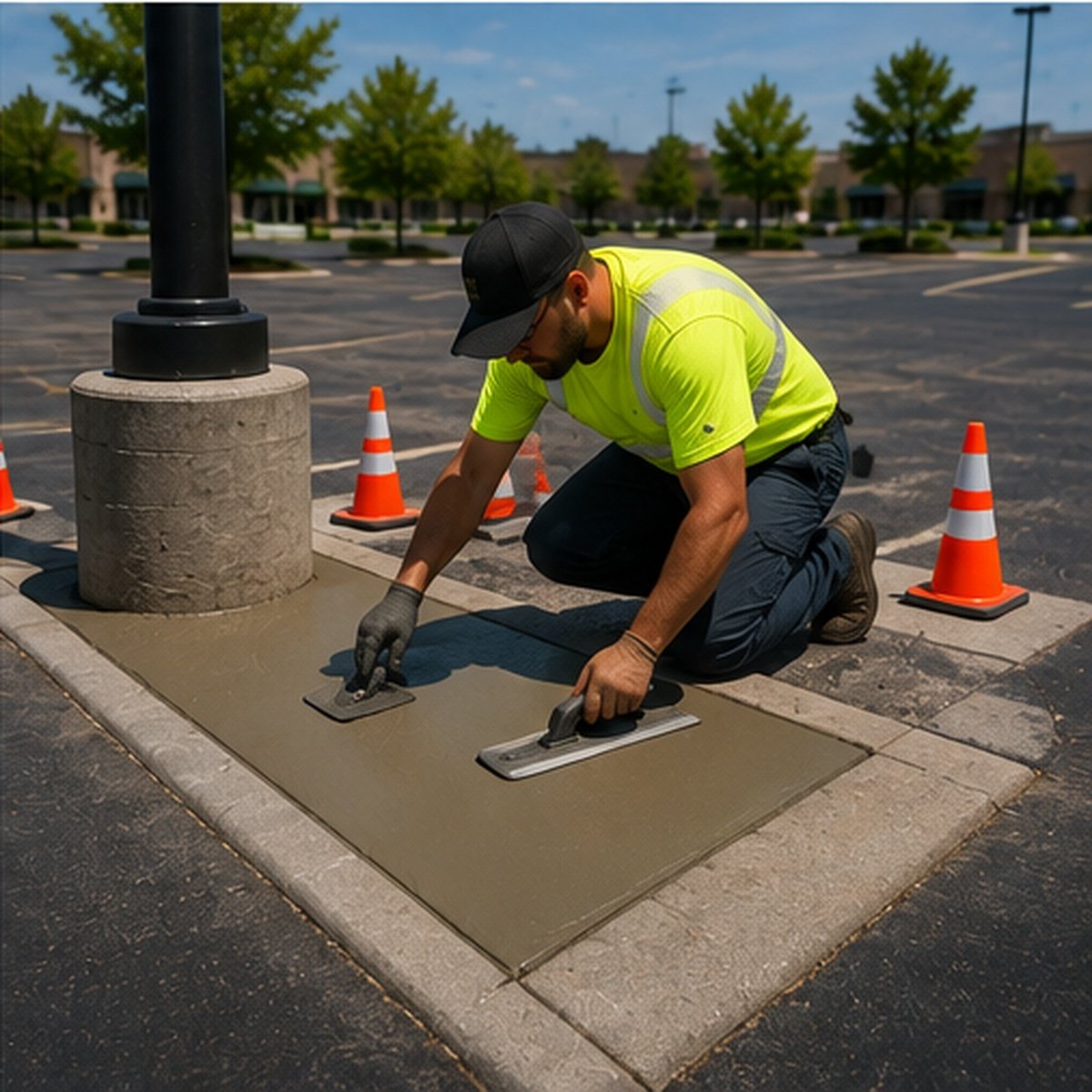
Because we handle sweeping, pothole repair, crack sealing, and drainage under one roof, our inspections aren’t just a checklist — the same crew doing the inspection can schedule and perform the repair, instead of handing you a report and a list of vendors to call. That’s fewer moving parts for a property manager and faster turnaround from "we found a problem" to "it’s fixed."
No pressure, no obligation — just a straightforward look at your property.
Initial property inspection — a full walkthrough documenting current condition.
Custom plan proposal — a schedule and price based on what we found and your budget.
Scheduled service visits — inspections and small repairs on a recurring calendar.
Ongoing reporting — a record of what’s been done and what’s coming up next.
Priority response — plan clients get priority scheduling for anything urgent that comes up between visits.
If you can’t remember the last time anyone formally inspected your pavement, if repairs on your property tend to happen after a tenant complaint rather than before one, or if your budget process has no line item for pavement until something breaks, a preventive maintenance plan will change how that property is managed. It’s especially worth putting in place ahead of a Kansas winter — an inspection in October that catches a handful of cracks to seal is dramatically cheaper than the pothole repairs those same cracks would need by March. Properties changing management companies, coming out of a lease-up period, or simply due for their first real pavement assessment in years are all good candidates to start with a baseline inspection.
A plan is proactive — we inspect on a schedule and catch problems while they’re small and cheap to fix, instead of waiting for a call after something’s already failed.
We document cracking, drainage issues, striping wear, and any trip or liability hazards, with photos, and use that to build your repair schedule.
Yes — see our Multi-Property Pavement Management service for consolidated plans across several locations.